
How Southlands School built EHCP tracking and evidence-based reporting around Earwig
Southlands School, an Ofsted-rated ‘Outstanding’ independent specialist day and residential school, moved from disconnected spreadsheets and a rigid MIS to Earwig’s learning management system to track student progress against EHCP targets across academic, pastoral, care and clinical teams. Guy Strath, Upper Phase Lead & Data Manager, explains what the switch has meant for staff, students and families.
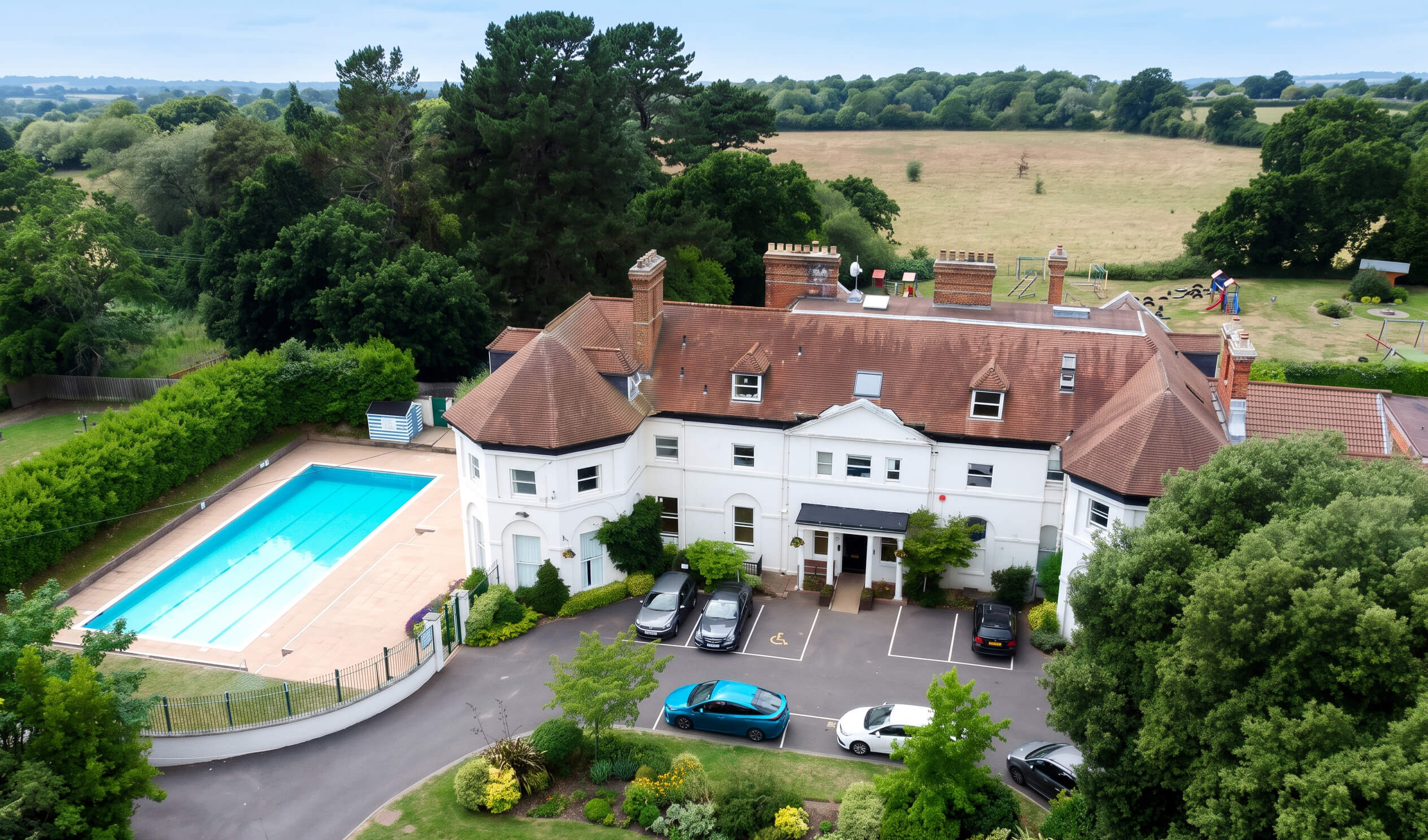
Southlands School offers the full national curriculum to students with a wide range of needs, whatever the pace of their progress, from Level 2 vocational qualifications and Functional Skills through to GCSEs.
Academic study sits alongside a programme of clinical therapy, communication and life skills, with each student following a bespoke curriculum across Years 9 to 11 that leads to external accreditation and progression into Post-16 education.
Before Earwig, Southlands relied on a mix of department-maintained spreadsheets and an MIS assessment tool that wasn’t built for the school’s curriculum.
Whilst the department records were bespoke and appropriate, they were not centrally stored with the ability to be widely shared with whole-school access. The MIS reporting tools were very raw and simple, without the ability to adapt to our curriculum and catch the depth of value and quality that we were reporting.
Guy Strath, Upper Phase Lead & Data Manager
What the school needed was a platform that could track progress across departments and key-stage transitions: one flexible enough to move beyond a tick-sheet and capture how academic and pastoral sessions demonstrated real advancement against a student’s EHCP, including multimedia evidence alongside written reports.
Southlands had seen Earwig at BETT in 2022. A follow-up presentation to the leadership team, on how Earwig had developed its LMS with special schools working within their different assessment frameworks, confirmed the decision to switch.
Rather than attempt a whole-school switch overnight, Southlands staged the rollout, so that every framework decision was informed by real classroom use.
Core subjects already had frameworks that broadly followed the national curriculum or an exam board, so key teachers began using Earwig immediately, learning the system as they went.
Staff teaching foundation subjects, often bespoke to the school’s own offer, had time to find a match among the 400 frameworks in Earwig’s Framework Finder, or to request something custom.
Staff began with a ‘best fit’ framework, so bespoke requests were informed by real use. Frameworks were then designed module by module across ten secondary subjects, nine primary subjects and three vocational courses.
This meant that we were learning the new system from heavy users, and learning how to design and request custom frameworks from the lighter users. Ultimately this then led to us creating our own frameworks for all key stages, but from informed teachers’ choices.
Guy Strath
Whole-school training from Earwig ran through the first year, with termly top-up sessions, on-site INSET day training and phone support throughout.
Nothing was lost in the move to bespoke designs: year-one data recorded under the best-fit frameworks was archived and is still used for benchmarking students today.
“At no time have we felt adrift, frustrated or forgotten.”
Guy Strath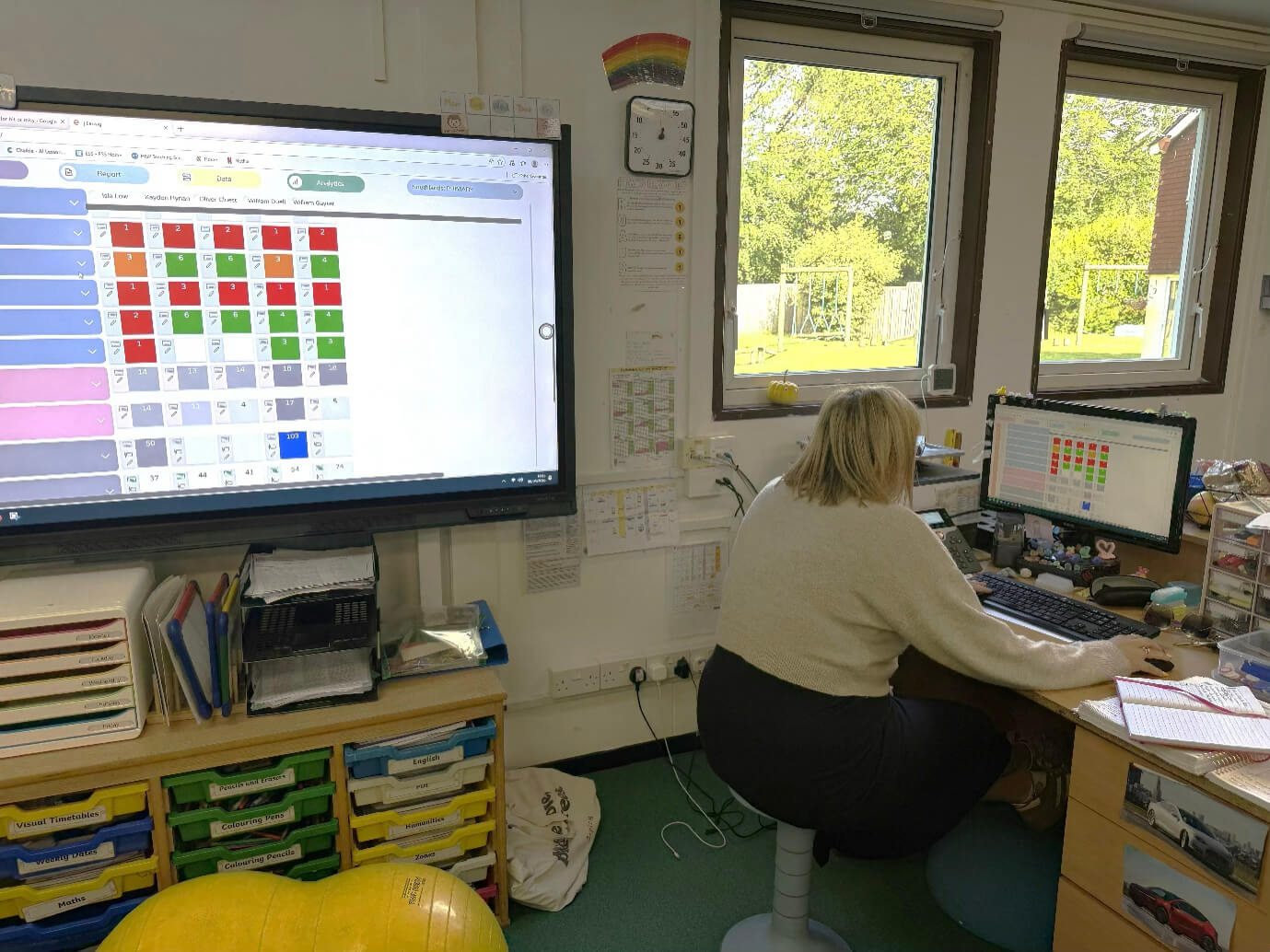
Once staff were confident recording RAG-rated assessment data, they moved on to adding multimedia evidence via school iPads, in classrooms and on offsite activities alike, so any member of staff could record an achievement wherever it happened and bank it for later use.
Photographs taken on the Earwig app are tagged and assigned to a student’s record or timeline, sometimes ad hoc, sometimes during a dedicated weekly session, including school-specific hashtags for reporting on particular events or themes:
The student timeline pulls together records from every department, giving a whole-school pastoral view, while the Tracking and Analysis dashboards let staff build data views for inclusion in report templates.
What you see most is that practitioners are immediately able to include a greater variety of assessment styles, and therefore different forms of feedback, which can be shared more immediately for reflection.
Guy Strath
“If we were to do this again, I would start with the devices in place, perhaps even before final frameworks. This gives the opportunity for staff to familiarise themselves with the system practically, entering records and creatively adapting to using it with their own lessons.”
Guy StrathEarwig is now used across the classroom by tutors, teachers and teaching assistants, and for EHCP tracking and reporting that draws in both care and clinical teams, sitting alongside the school’s separate MIS for attendance and behaviour. Teachers are preparing to extend its use to academic reports for parents and carers.
In a school running a ‘waking day curriculum’, opportunities to record progress can come at any moment, and staff increasingly look for ways to demonstrate skills in natural, applied situations rather than purely academic ones. Nurture groups across all three key stages, working on personal learning tasks, structured projects such as ASDAN qualifications and weekly outdoor learning, are a particular example of where this has paid off.
Because students often join Southlands partway through a key stage, clear progress records have also helped prepare students for Level 2 examinations and supported evidence requests from colleges agreeing a transition to Post-16 education.
I think they will be saving approximately a third of their time by using Earwig to centralise their record-taking of student progress and recording evidence of achievements.
Guy Strath, Upper Phase Lead & Data Manager
Students are keen to have their achievements recorded, aware the evidence may be used at parent and carer meetings or in termly reports. For staff, the platform’s flexibility has been the bigger surprise. Next, Southlands is developing a whole-school report template that draws on Earwig’s multimedia evidence directly, cutting administration further.
The use of the single Earwig system has made the sharing of tracking information easier and faster, and more importantly improved focus and cohesion in the efforts and resources employed to support students. Because the focus can move seamlessly between school and home, progress can be rapid and support responsive.
Staff are the ones that are surprised that they like working with a progress tracker or LMS. I don’t think that they expected the flexibility for it to support a range of working styles and subjects.
Inspectors know what to expect from the product, and staff can now feel that they have a format to tell their story and share the successes with classes.
Guy sees Earwig as a natural fit for inspection readiness and for reporting to governors and stakeholders, but singles out the quality of multimedia evidence as its most valuable feature. His advice to leaders weighing up an LMS is to look past the apparent compromise.
“School leaders looking at choosing an LMS are most likely to be thinking that what they could choose is going to be a compromise, an eighty per cent fit, because of course the school they lead is different. Look further into Earwig, and the adaptability, customisation and support from other Earwig schools, and that missing twenty per cent may just be found, to make it the best-fitting LMS for your school.”
From bespoke frameworks to EHCP tracking across every team, talk to us about building Earwig around the way your school already works.